Fly Shop (509) 962-5959 Reservations (509) 859-2280
The Best of Washington Steelhead and Trout Since 1988
The Best of Washington Trout & Steelhead
Overnight Packages and Day Trips
Contact Us

Flow and Weather Chart

Recent Posts

Archives

WINTER STEELHEAD REPORT – 1/10/15

Posted on

Tip of the week

Fish where the fish are.  Remember, winter steelhead move a lot!  Far more than there summer counterpart .

These are general statements…

Sometimes playing the water is half the battle. When the river has been dropping and clearing for ‘awhile’, fish the hole.  If the river is ‘fresh’ on the drop or rise, fish the heads and tails

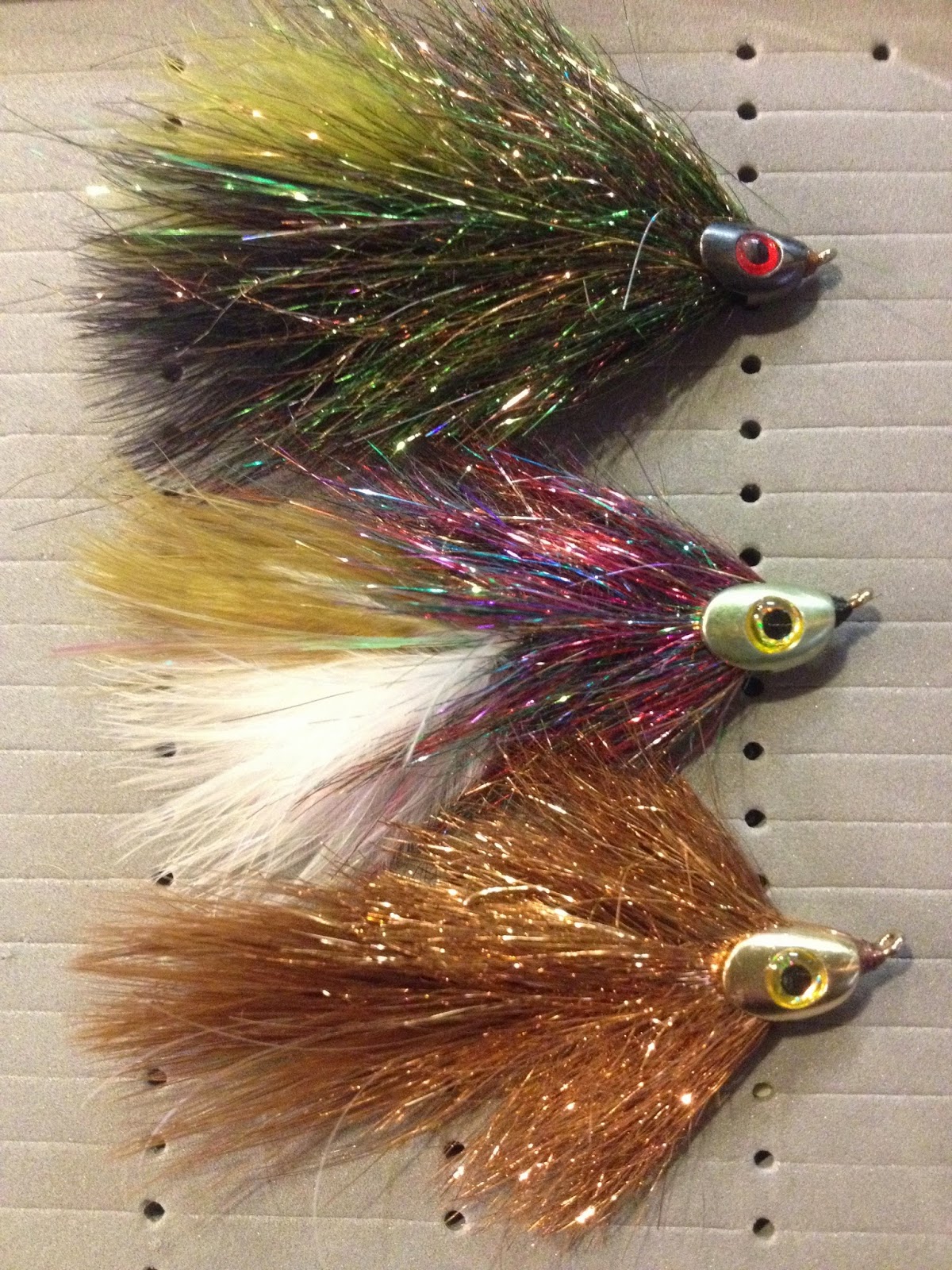
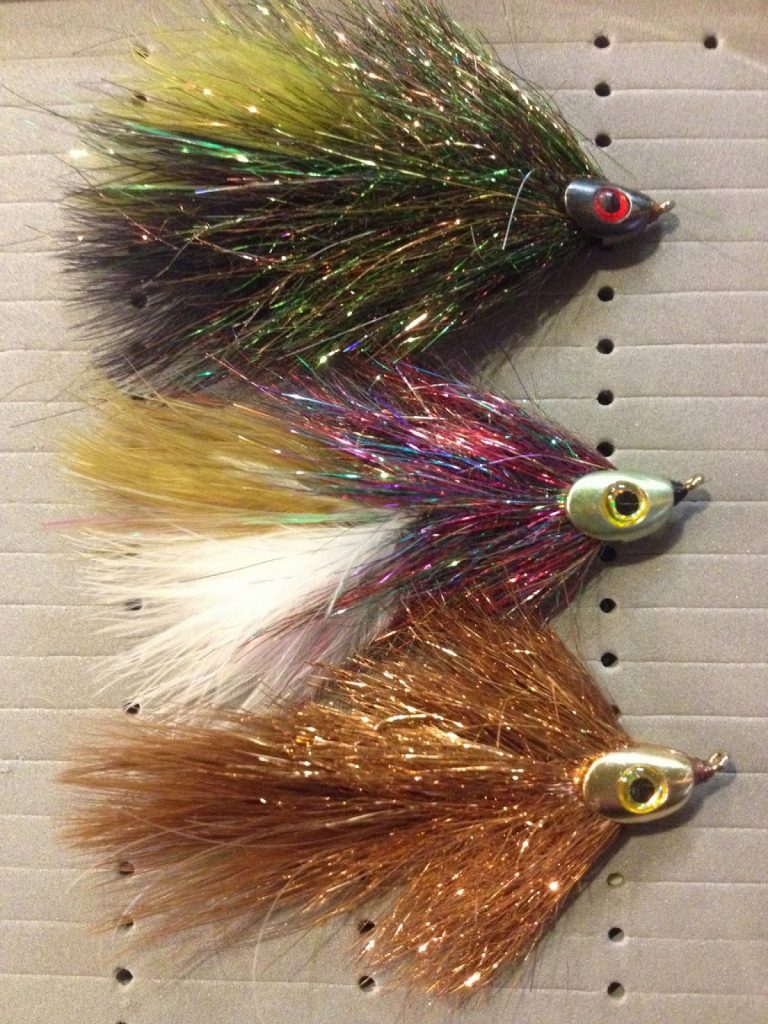
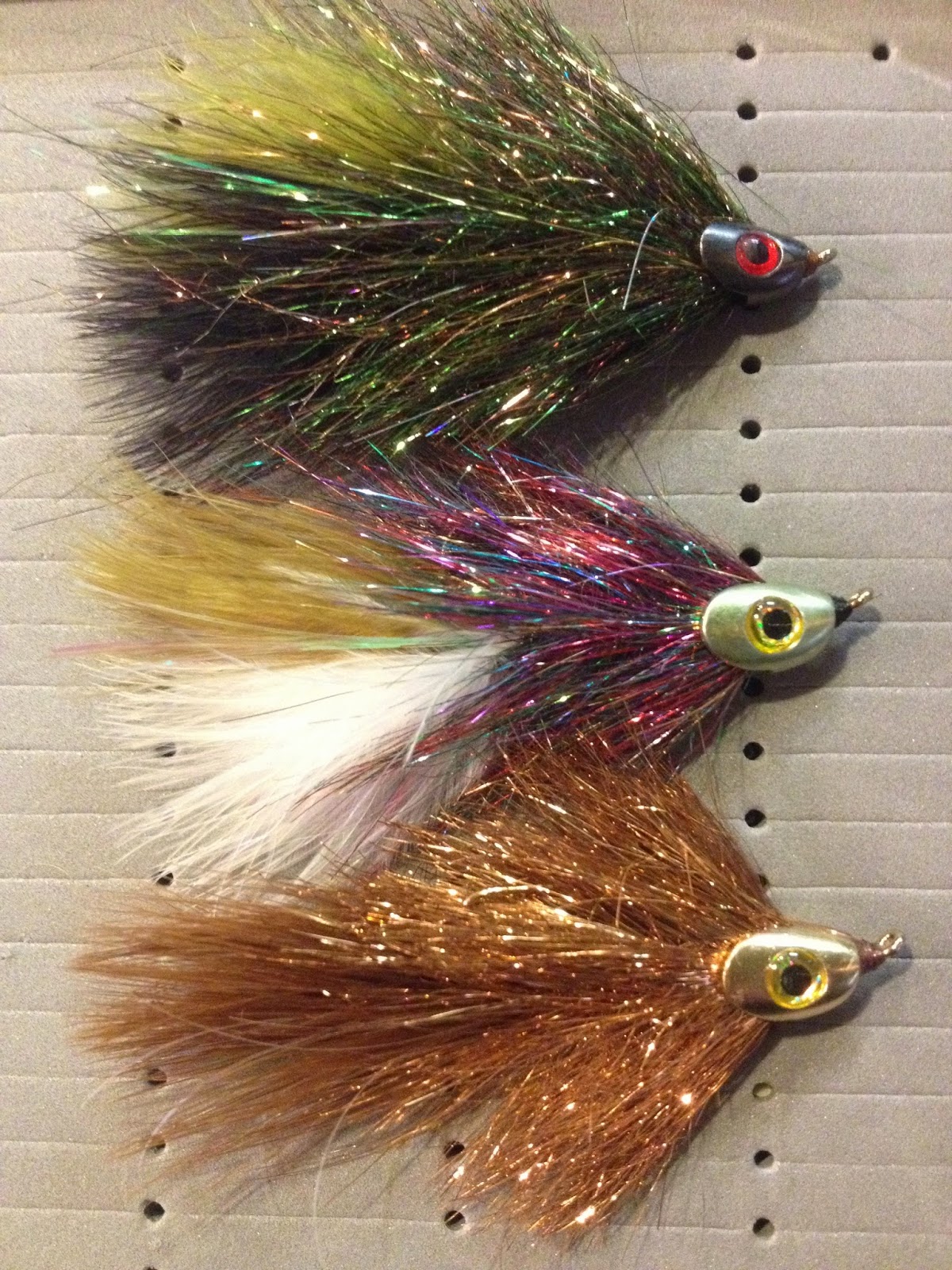
Weighted flies will help you get down but some of the flies I see now days are waayyyy too heavy. Use the tip to get you down,,,,not HUGE dumbbell eyes on your fly.

Fish the correct terminal gear for the type of water you are fishing.  That means if you need a heavier tip based on depth and flow, put it on. Conversely, if you need a lighter tip, then put it on.  Many of the runs we fish do not require as heavy a tip as you think.  Although getting down is important, SCRAPING bottom the entire time is non-productive.

Depending on the time of day and river pressure;  I would always suggest fishing the run with as light of tip as possible so as to swing the fly into the beach (Early morning and low pressure)

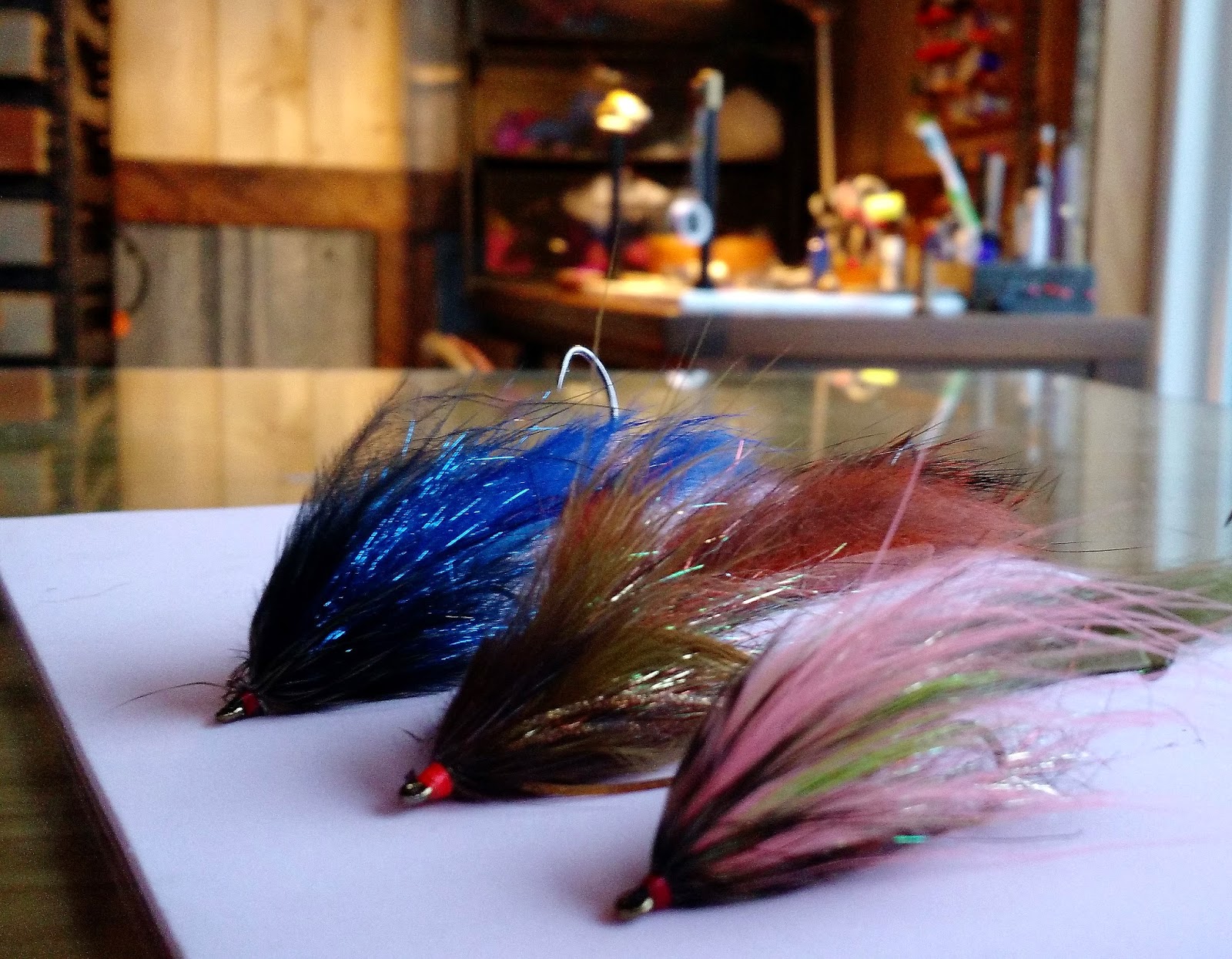
Really big flies catch fish…and they are ‘kinda cool’,  but , BIG isn’t always GOOD.  Remember, fish see far better than we give them credit. I will have to admit,  5 inches of Black and Blue can elicit a serious crush that keeps you coming back for more!  I guess it all depends on the mood of the fish.

YAKIMA RIVER REPORT – 1/7/15

Posted on

The Upper Flatlands are down to 2200 and definitely ‘fishable’;  From the Teanaway down is ‘OK’ but still 36 hours out to be ‘better’

THE BAETIS MAYFLY-Otherwise known as the Blue Wing Olive or the Tiny Western Olive is a very important hatch on almost all of the Western streams including the Yakima. Depending on water temperatures, Blue Wings can hatch year round on many watersheds. The Yakima Baetis is generally most prolific in the spring and fall, yet they will emerge from late February until December. In fact, early summer mornings it is not uncommon to find trout sipping emerging duns shore side.

Insects tend to be cyclical and over the years the Blue Wing Olive’s of the spring have been less predictable on the Yakima. The spring BWO is generally larger then its summer and fall relatives, topping the scales at almost as large as a #16. As an angler a # 16 Sparkle Dun or Parachute Dun is a great pattern worldwide and here on the Yakima. (BWO Sparkle Parachute Dun Below)

BWO Sparkle Parachute

When the Blue Wings are strong in the spring as they were in 2002, all heck can break loose as the hatch generally coincides with other hatches such as the Skwala, March Brown and even the Caddis. Combine this with the fact that during the early spring the trout’s metabolism is increasing, the fish are pre-spawn and therefore capitalizing on food sources and what you have makes for some great fishing conditions.

Over the years, the peak Blue Wing Olive hatches of the spring season have been that last week of  March.  High water temps for that week over the years have been about 47 degrees.

The glorious fact of the BWO Mayfly or for that matter any other mayfly, is that it is a sitting duck for a trout’s diet. A sitting duck in the springtime is most certainly a great thing for a pre-spawn, increased metabolism Rainbow or Cutthroat trout!

WINTER STEELHEAD REPORT – 1/1/15

Posted on

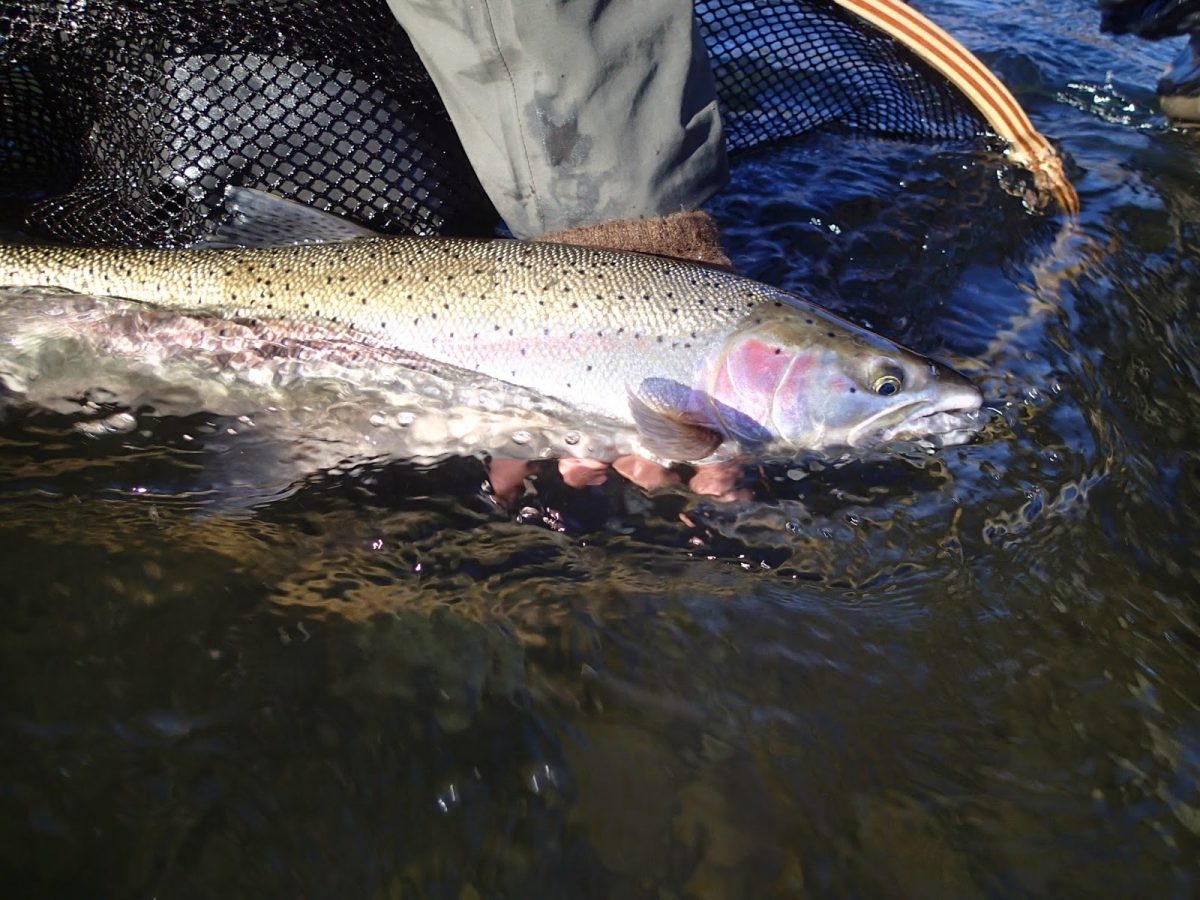
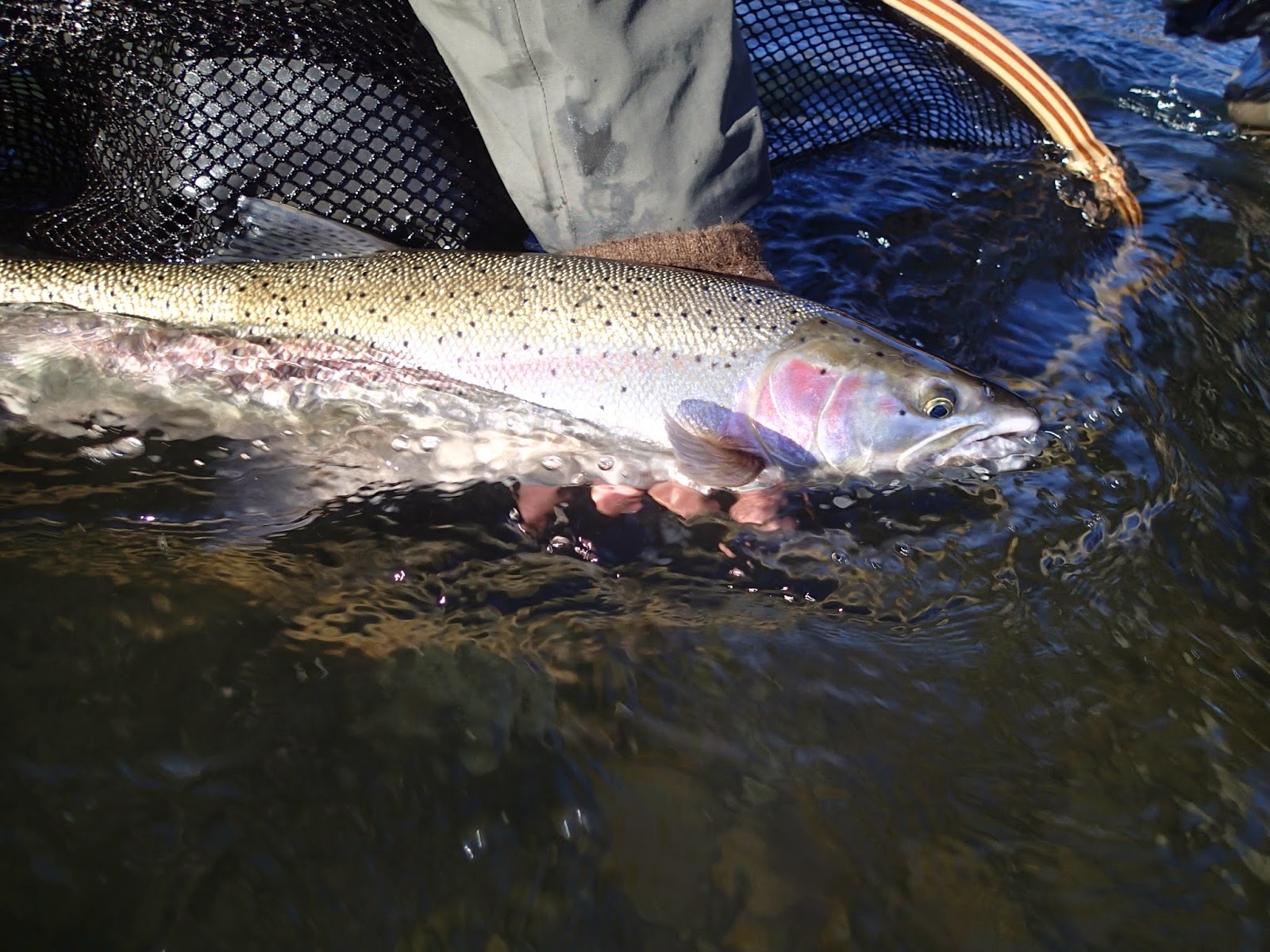
The South OP has been good recently with goooood numbers of hatchery fish and a few wild ones mixed in. A combination of nymphs and swung flies have been productive.

We should see a good number of fish come in with this next water occurrence.  I appears we will see rain from Saturday through Monday and then ‘ light and variable’  for the remainder of the week.

Tip of the week;
1) Recently the hatchery fish have been all about the retrieved fly at the end of the swing.

YAKIMA RIVER REPORT – JAN 1, 2015

Posted on

The river is coming down off a large bump in flows.  There is quite a bit of ice flow in the Lower Canyon right now.  The water temps and air temps are predicted to warm up quite a bit next week.  The fishing should be great.  Recently the fishing has been OK…The last couple days, ‘kinda tough’. Water temps have been ranging from 32.5 – 33.9. When  air temps & water temps change from really cold like recently for the better as they will at the start of next week, the fish will definitely be ‘happy’.

YAKIMA WINTER FISHING

Posted on

Plain and simple, the fishing on the Yakima during the Winter and early Spring can be incredible. Often times the river is low and clear and the fish tend to be ‘funneled’ and isolated to specific zones. Food sources are significantly less at this time of year so the trout and whitefish will target the available foods in the ‘feed me’ zones. Generally on the Yakima some of the best winter calories for the trout consist of Skwala Stone flies, Midge pupae and adults, Whitefish spawn (egg patterns), Caddis pupa and forage fish.

Typical ‘feed me’ zones can be described as defined drop-offs and slow downs following large riffles or less isolated waters such as long deep pools. Big broad open flats, riffles and pocket water with multiple current lines are inviting and intriguing but certainly not isolated . The trout are often ‘holed’ up at this time of year and will move with in that hole to ‘funnels’ zones. The fish are definitely more migratory within a zone during winter’s low volume and cold water season. Usual water temps for this time of year range from 35-40 degrees.

Let’s paint a picture here. 9am in the morning and the water temperature is 35 degrees. The midge activity is minimal. By about 11am the water temp has warmed up to 36 and the trout are starting to move up from the depths of ‘the hole’ toward the drop off that forms the hole. Feeding becomes more active as the midge pupae are hatching more regular and the trout target the pupae along with the eggs of the whitefish. (Whitefish spawn in the flat riffles of tail outs and the riffles at the heads of pools). The water temp peaks at 38 degrees and holds at that temperature from 1-2:30. The fish actively seek the aforementioned food sources combined with the occasional Skwala Stone nymph. The Skwala stonefly perpetuates with a two year life cycle and hatches in March+/- on most western streams, including the Yakima. Therefore, the most mature adult Skwala nymphs are active during the winter time as they are not far away from their emergence. (hatching). At about 3:30 the water temps start to drop usually and given the strength of the subsurface activity the trout may continue to feed or may settle back into the hole where they can conserve energy until the following day, eating here and there. Fishing streamers (forage fish) is a great technique at all times of the day in the winter. Utilizing the retrieve and the swing can both be very effective.  Sometimes, prior and post to the described days activity is optimal because the fish are not typically feeding hard, yet the calorie intake of a small fish is hard to pass up.

While every day is not exactly the same, the above description is representative of ‘Winter Fishing’.

When conditions align for optimal fishing, some of the best fishing/catching on the Yakima River can be in the Winter. Proper attire is essential as the water temps and air temps demand quality outdoor gear designed to cushion the elements.

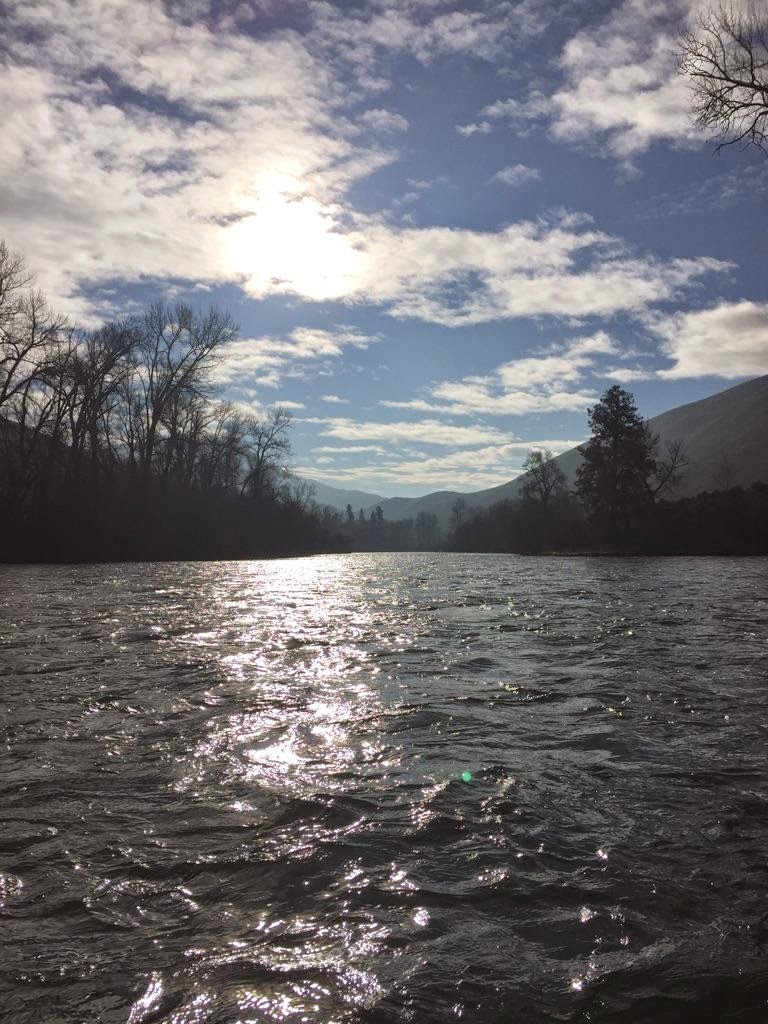
Aside from the actual fishing, Winter brings a new perspective to rivers. The landscape is ‘pared to the bone’. The birds of prey are on the hunt. The Big Horn sheep are wintering in the Lower Canyon after a long and arduous rutting season. The most patient fisher of all, the Blue Heron, is present daily. Small herds of elk find refuge near the river bottom especially from Ellensburg upstream. Rarely is the river crowded; In fact, never.